24.3.2026

Electronic Shelf Labels – what is the right size for each situation?

Electronic Shelf Labels (ESL) are an important part of the modern store, helping to improve the customer experience, streamline store operations, and reduce costs. Choosing the right label size for different situations has a significant impact on its effectiveness and impact. This article discusses what sizes of electronic shelf labels are suited to which purposes, and what factors should be considered when making a choice.
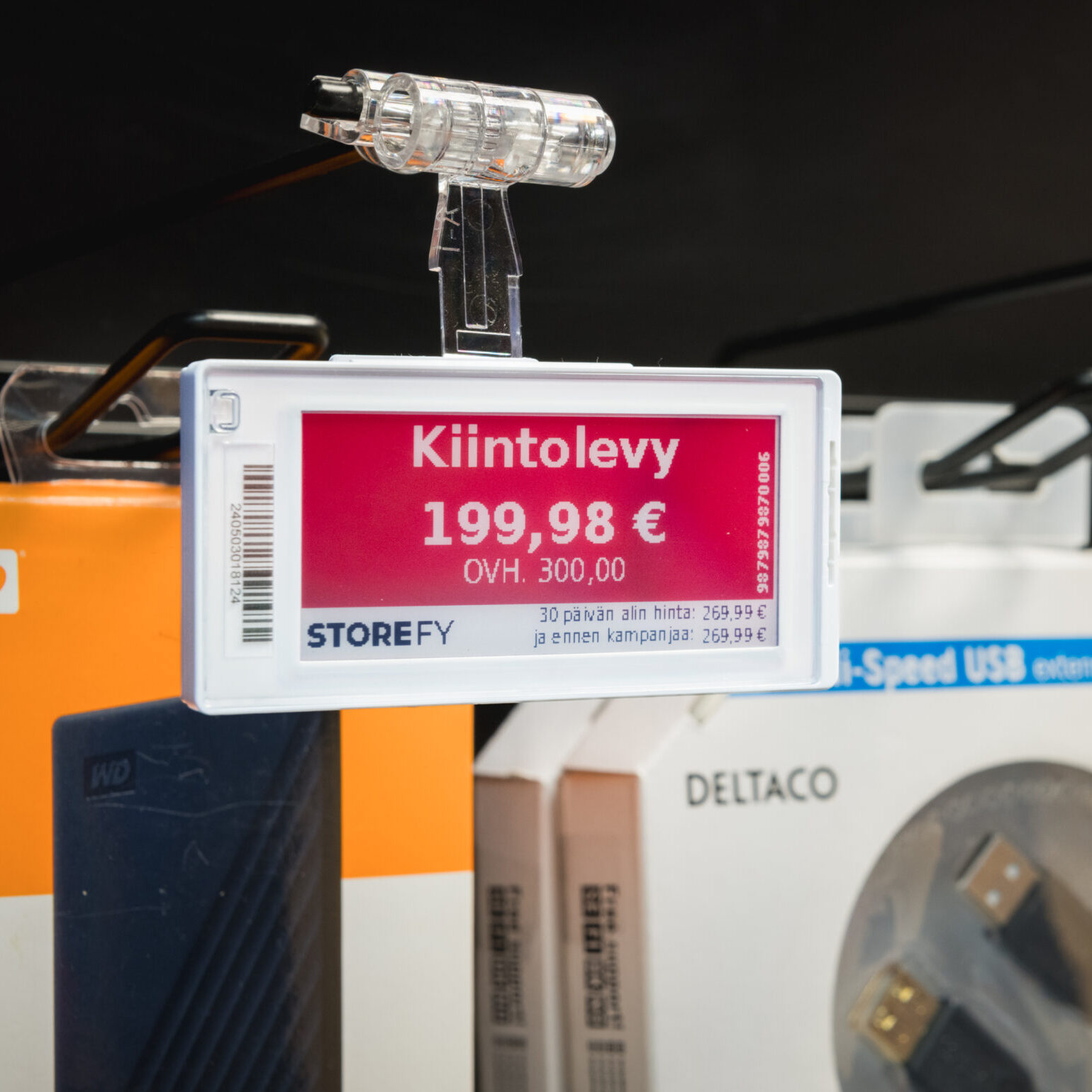
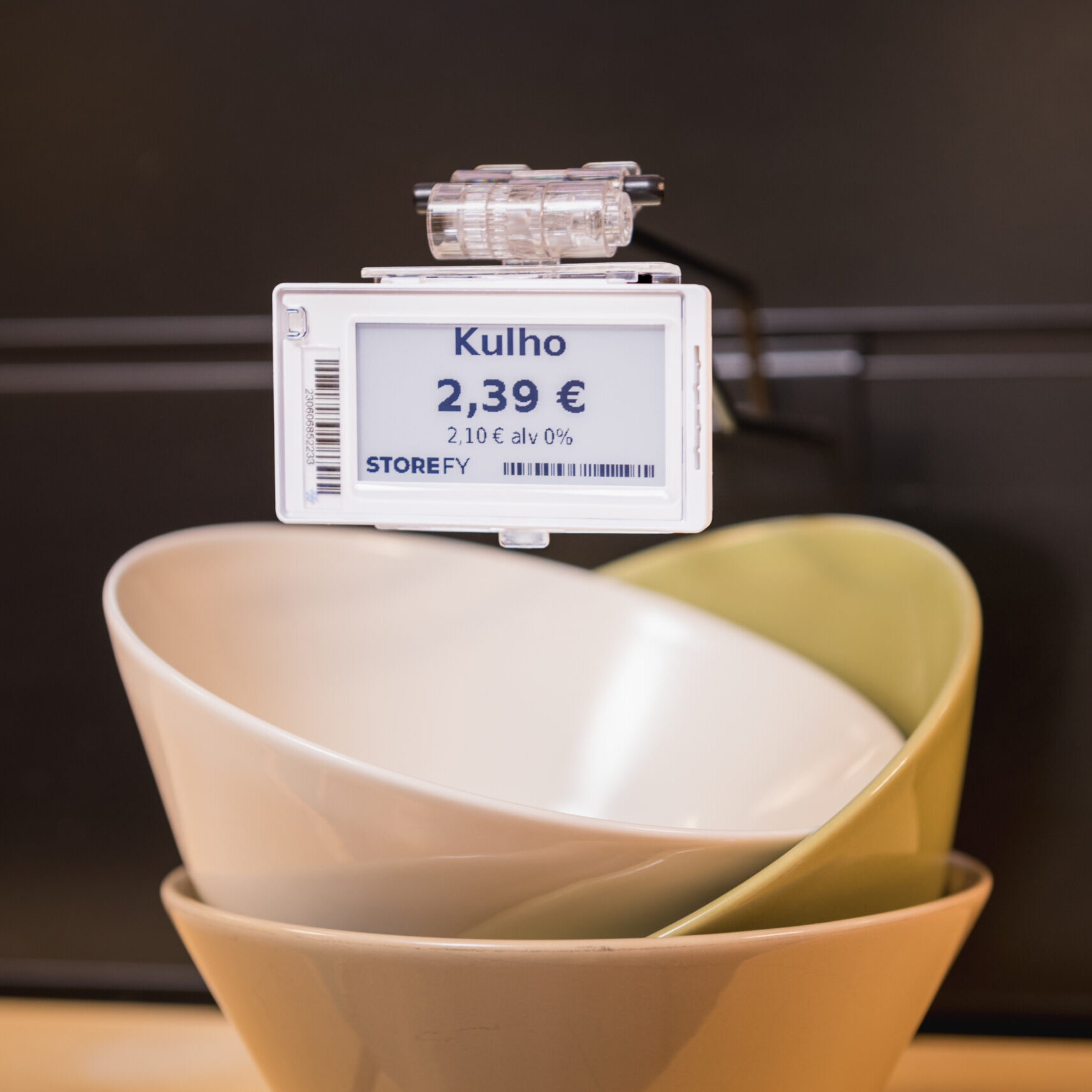
Small shelf labels

Small shelf labels are compact and particularly well-suited to densely arranged products, such as everyday grocery items, cosmetics, or pharmacy products on shelves. Their primary purpose is to display the price clearly and distinguish the product’s standard price from any promotional prices.

Use cases: Small products where space is limited..

Examples: Confectionery, beverages, small cosmetics packaging.

Benefits: The compact size saves space and allows for a visually consistent shelf appearance.

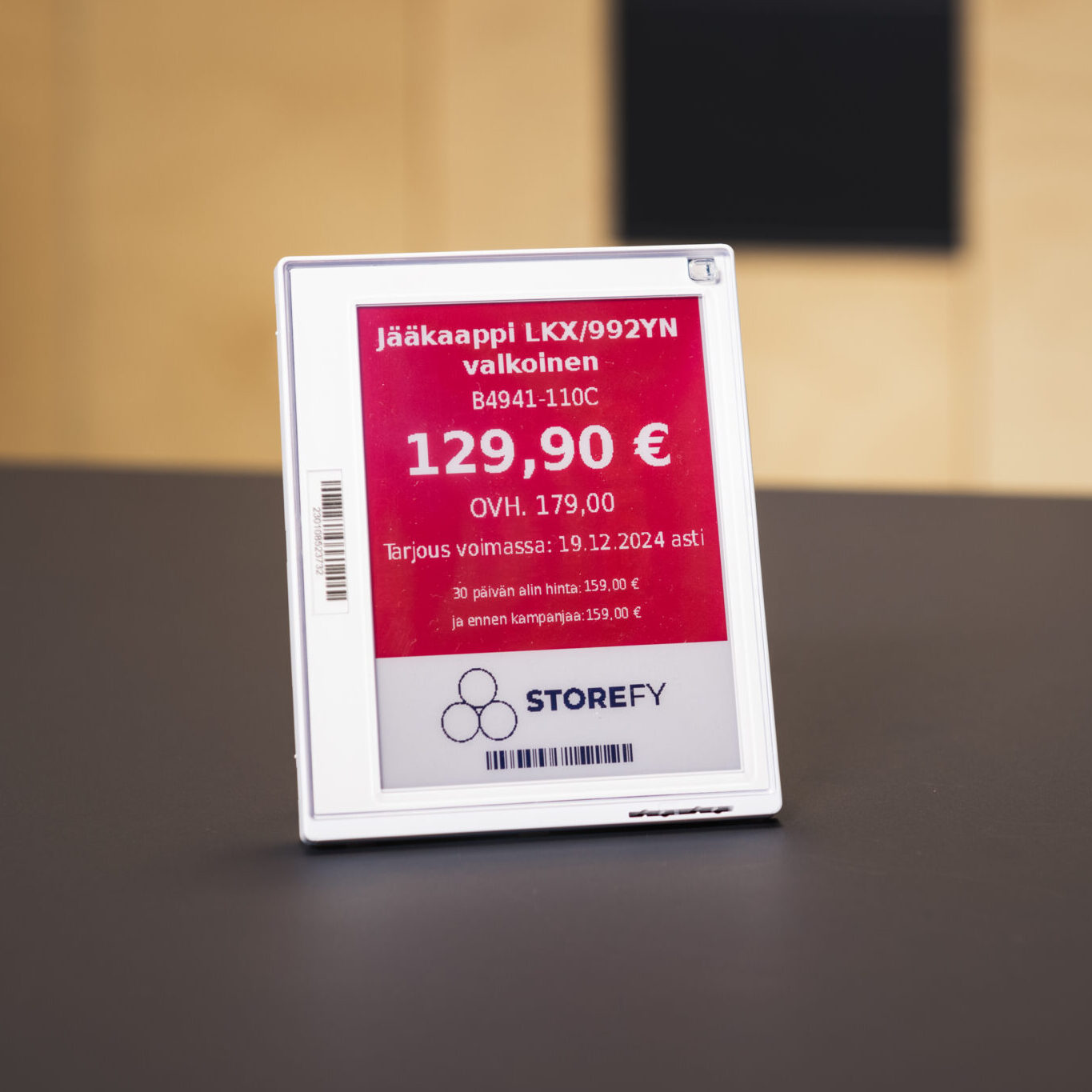
Medium shelf labels

Medium shelf labels are versatile and suitable for products where customers need to see more information. Such products include electronics, tools, and products with various technical specifications. These labels can accommodate campaign-related icons, barcodes, QR codes, and additional product information such as specifications or allergen details.

Use cases: Medium-sized products, or products where additional information is to be shared.

Examples: Electronics, tools, and products with technical specifications.

Benefits: A balance between the use of space and the amount of information displayed. Campaign prices shown in highlight colours stand out effectively.

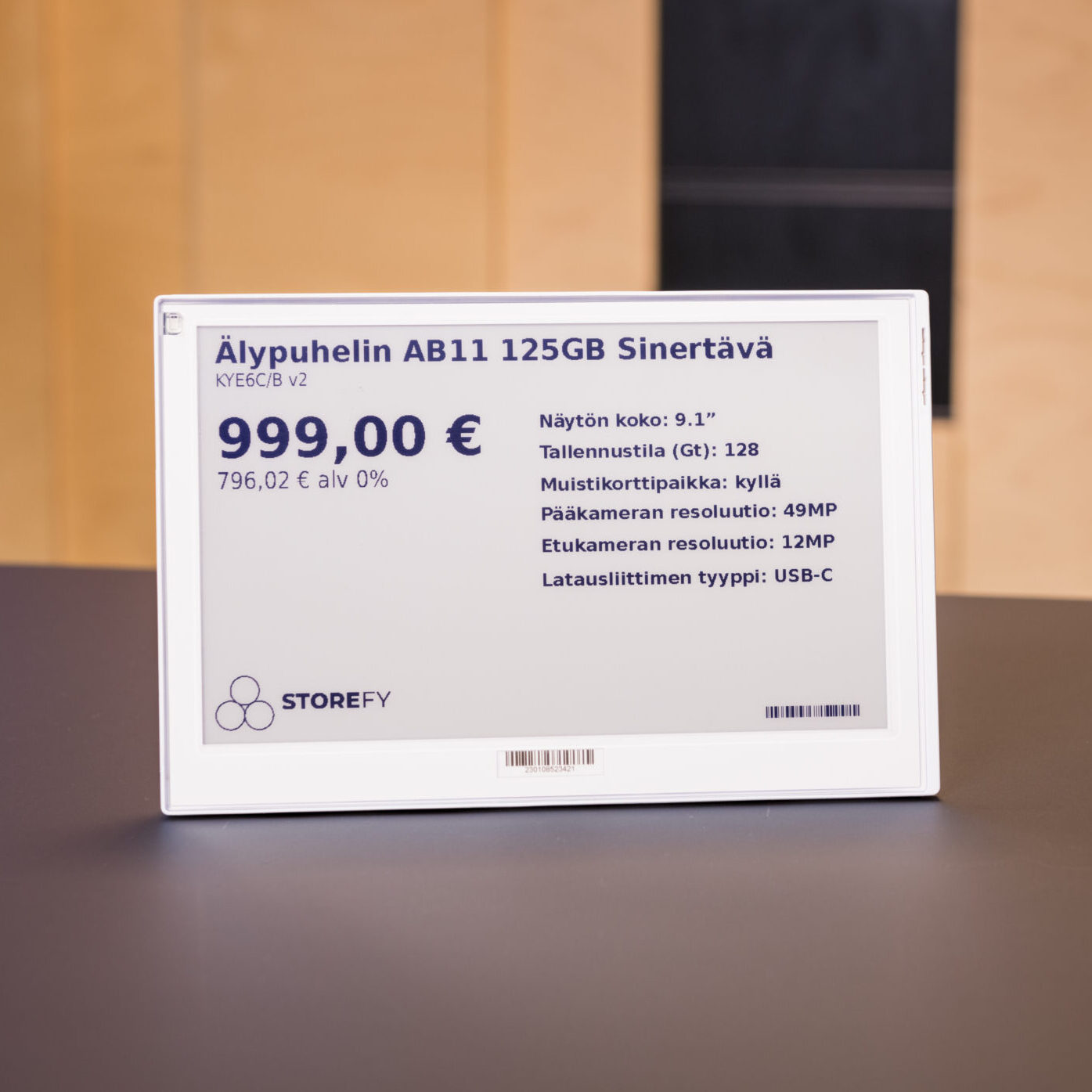
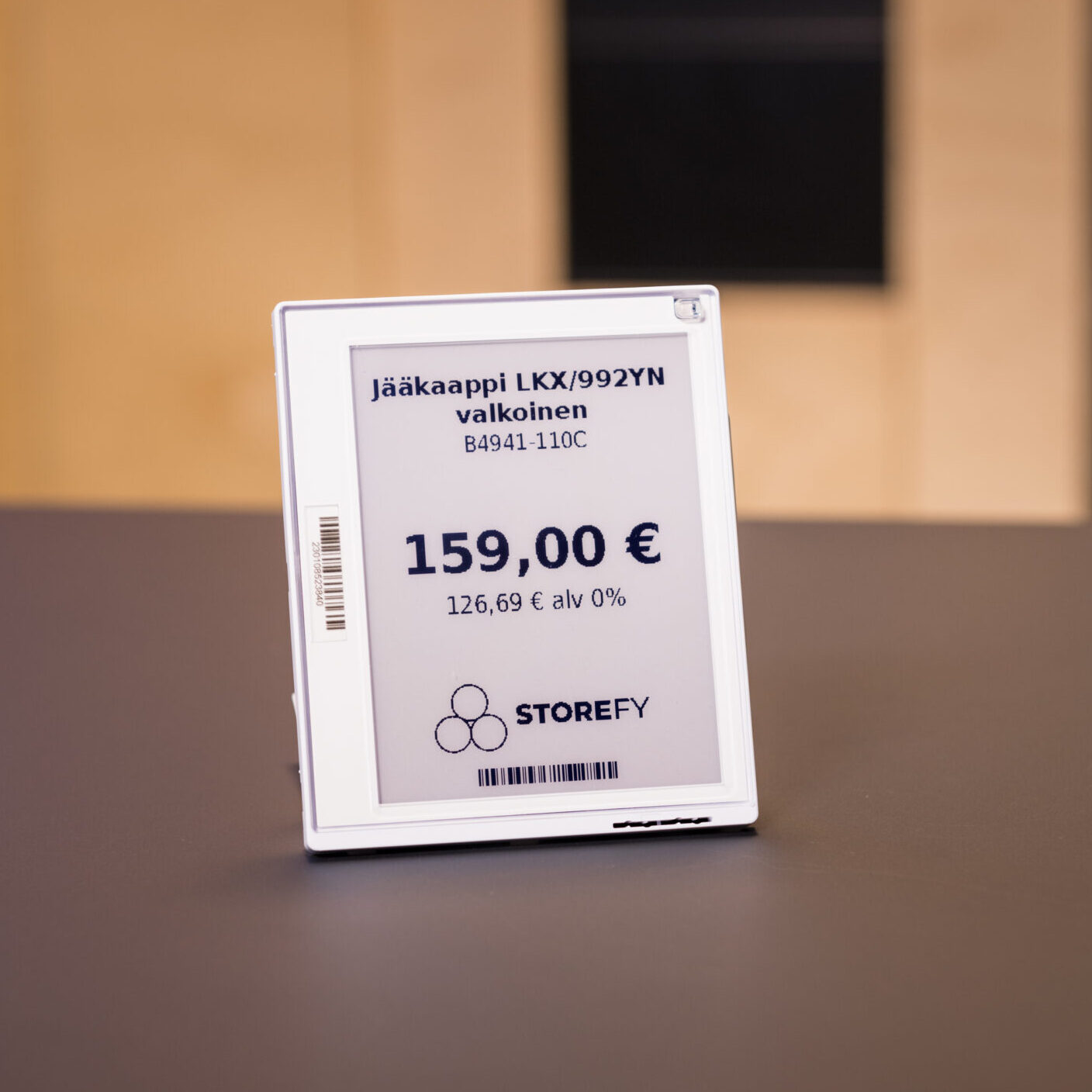
Large shelf labels

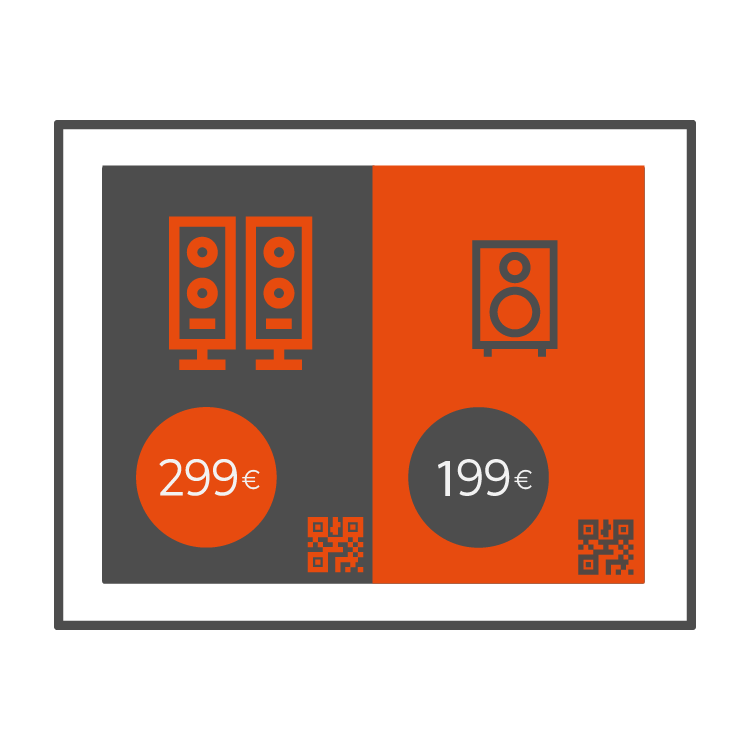
Large shelf labels are an excellent solution when a product’s price and features need to be presented prominently. This is especially true for products where multiple variables, such as technical specifications or additional details about an offer, influence customers’ purchasing decisions. Large shelf labels work well alongside large products such as home appliances or furniture. In addition, the generous display surface allows multiple products to be presented on a single label, making it easier for customers to compare products and make informed purchasing decisions.

Use cases: Large products, or products where offers or brand communication are to be highlighted.

Benefits: Ample space for communications such as product information, images, and QR codes.

10

Use cases in-store

The use of electronic shelf labels varies depending on the store’s size, layout, and sales strategy. The most common use cases are:

Everyday grocery retail

In grocery stores, shelf labels change frequently with campaigns and seasonal products. When using paper labels, the label has to be replaced for each individual product, which takes up a significant amount of staff time and is susceptible to human error. With electronic shelf labels, campaigns and promotions can be updated centrally all at once, saving the store’s resources.

It is essential that campaigns and promotions stand out clearly from other communications. With electronic shelf labels, the process is entirely automatic.

Read more: Electronic shelf label enables dynamic pricing in the store

Specialist retailers

In specialist stores such as electronics retailers, shelf labels are not just for displaying prices – their role is to convey diverse and accurate information about products. Medium and large electronic shelf labels are ideal, as they allow technical specifications, comparison prices, and QR codes, for example, to be displayed on a single clear screen. When prices and product information change frequently, electronic shelf labels offer a significant advantage, as a single update allows the information for all products to be changed centrally and in real time.

Read more: How electronic shelf labels solve your Omnibus directive challenges?

Centralised price management

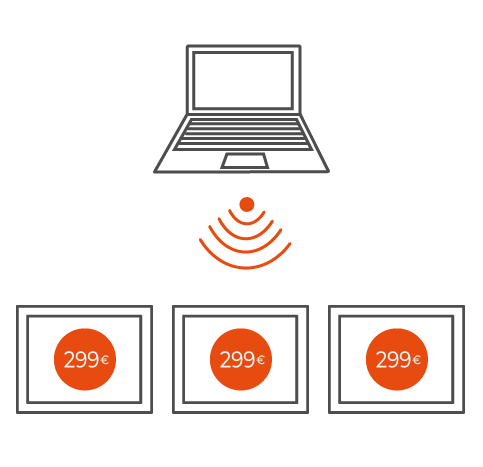
Electronic shelf labels make pricing and campaign management easy for all stores, regardless of the products sold or the label sizes chosen. Price and promotion updates can be made centrally for all labels in all stores simultaneously, saving considerable time and effort. The prices of hundreds of discounted products can be updated in an instant, eliminating the manual pricing process. This not only simplifies store operations, but also ensures that pricing information is always accurate and consistent.

Read more: 3 reasons why electronic shelf labels save time and money

Label templates and highlighting campaigns

The design of shelf labels is just as important as their size. With the storefy system, label templates can be optimised for different situations. For example:

Campaign products

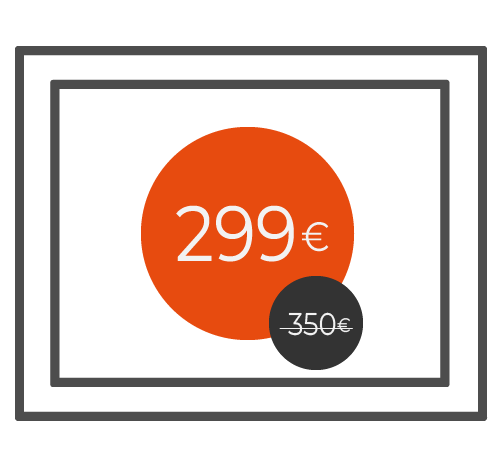
Highlight colours and icons make campaigns stand out from other communications.

Standard prices

A clear and minimalist layout helps focus attention on the pricing information.

Additional information

QR codes, product reviews, and other additional features can be designed in an eye-catching way.

Summary

The right-sized electronic shelf label supports the store’s objectives and improves the customer experience. Small labels suit dense environments, medium labels work for versatile product ranges, and large labels ensure visibility and versatility of the message. By making use of the range of templates that electronic shelf labels offer, stores can ensure that prices, campaigns, and other messages stand out clearly.

This flexibility makes electronic shelf labels not only an effective but also an environmentally friendly solution that saves costs and time compared to traditional paper labels.