4.11.2025

Dynamic pricing and the customer experience — how do price changes affect purchasing behaviour?

Dynamic pricing makes a store real-time and customer-centric.

Pricing is one of the most powerful, yet also most sensitive, tools in marketing. Consumers notice a price change immediately, and even a small difference can determine whether a customer takes advantage of an offer or not. Dynamic pricing brings a new dimension to this: prices can move in real time according to demand, time of day, stock levels, or even a competitor’s prices. With electronic shelf labels and digital displays, a business can respond quickly, so that the customer experiences their visit as smooth, the store as up to date, and the service as meeting their needs.

How dynamic pricing works

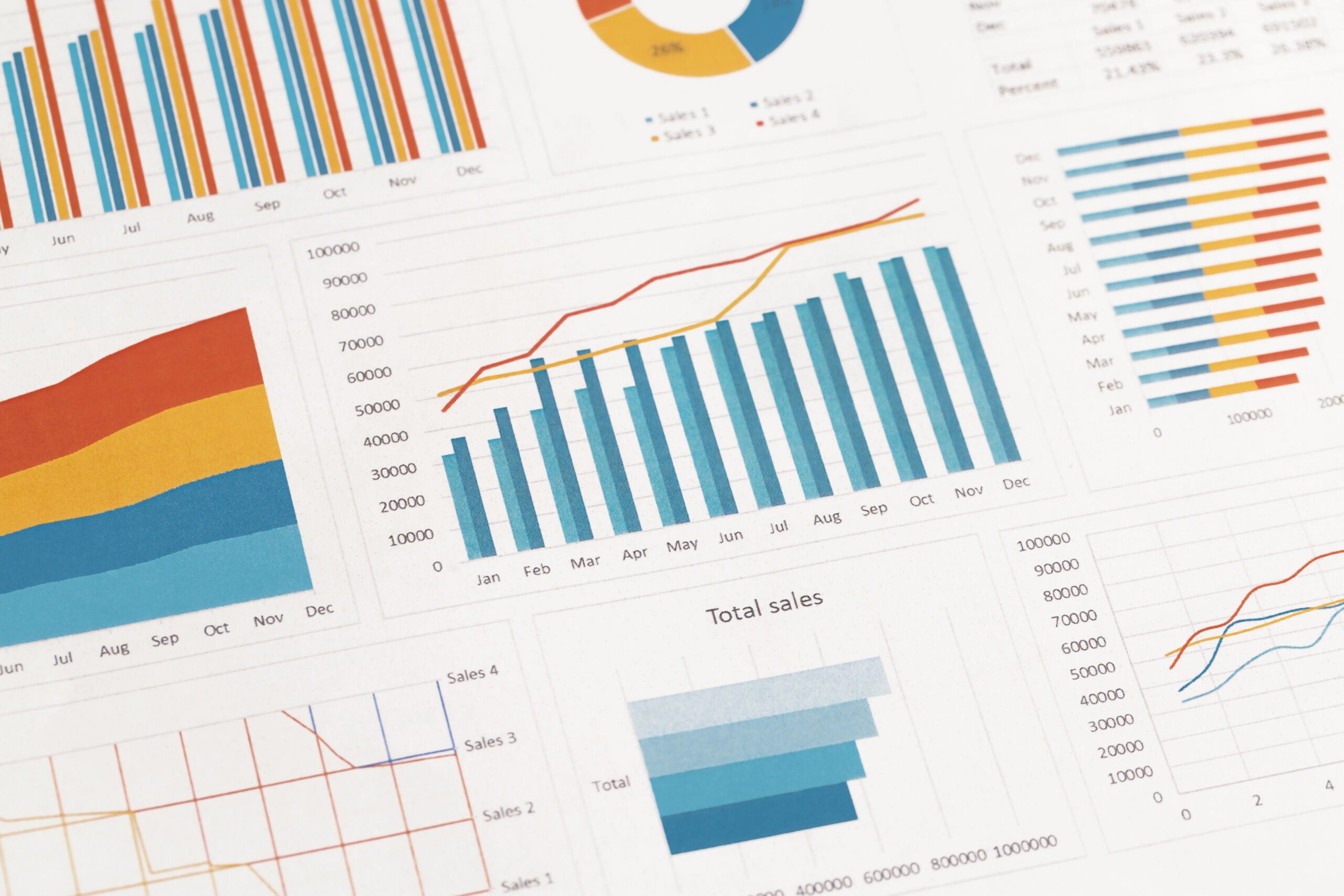
The basic idea of dynamic pricing is simple: the price adapts to the market situation. In practice, the system uses data — such as demand, sales history, competitors’ prices, and external factors — and optimises the price automatically.

In retail, for example, certain products can be cheaper outside peak hours, which evens out demand and reduces waste. Equally, the price of popular products can be adjusted as demand grows. When price changes are made in a controlled and transparent way, they are perceived as fair and helpful — not opportunistic.

Electronic shelf labels and operational efficiency

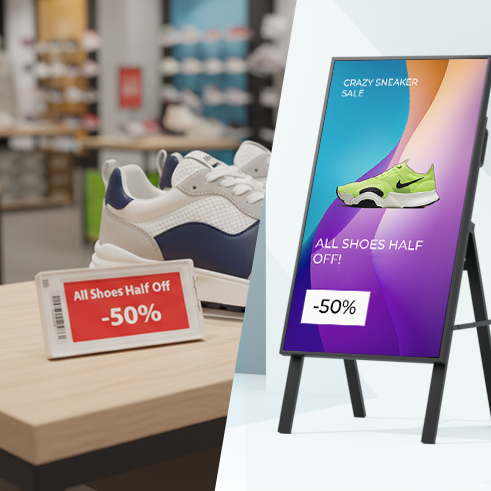
Electronic shelf labels are a prerequisite for prices being able to update dynamically in real time. Digital signage displays additionally make it possible to show campaign messages and offers in an appealing and easily updated format. Combined with automatic advertising generation, the system can publish dynamically created offers quickly across all displays, supporting both sales and the customer experience.

Electronic systems remove the need for manual price updates, reduce errors, and ensure that the prices shown on shelves are always current. When prices, campaign messages, and stock information are aligned, customer confidence is strengthened and confusion at the checkout is significantly reduced.

Read also: How do I keep customers in my store longer?

Customer reactions and purchasing behaviour

Real-time pricing guides purchasing decisions immediately

Dynamic pricing is not merely about changing prices — it is a way of guiding customers’ purchasing decisions in real time. When a customer sees an offer on a digital display — for example, “–20 % today until 6 pm” — the decision is made quickly. Real-time prices change purchasing behaviour immediately and increase conversions on the spot, without campaigns needing to be planned weeks in advance.

Transparency makes dynamic pricing fair

Consumers respond more positively to dynamic pricing when the reasoning behind it is clear and transparent. Discounts offered outside peak hours or offers tied to weather conditions, for instance, are often perceived as fair and even enjoyable. Ferguson & Ellen (2013) found that consumers’ sense of fairness regarding price changes increases when the business itself communicates the change and explains the reasoning behind it.

Different customer groups react differently — testing delivers results

Customer segmentation also affects reactions. Price-conscious shoppers may wait for discounts and only make purchases at the “right” price, whilst impulse buyers are drawn in by visual and timely campaigns. Dynamic pricing enables testing and optimisation of responses from these different user groups, allowing campaigns to be targeted more effectively.

More effective sales and a better customer experience with a single tool

The result is a versatile tool that helps increase sales, improve the customer experience, and make better use of marketing budgets than traditional pricing methods.

Customer reactions and purchasing behaviour

Real-time pricing guides purchasing decisions immediately

Dynamic pricing is not merely about changing prices — it is a way of guiding customers’ purchasing decisions in real time. When a customer sees an offer on a digital display — for example, “–20 % today until 6 pm” — the decision is made quickly. Real-time prices change purchasing behaviour immediately and increase conversions on the spot, without campaigns needing to be planned weeks in advance.

Transparency makes dynamic pricing fair

Consumers respond more positively to dynamic pricing when the reasoning behind it is clear and transparent. Discounts offered outside peak hours or offers tied to weather conditions, for instance, are often perceived as fair and even enjoyable. Ferguson & Ellen (2013) found that consumers’ sense of fairness regarding price changes increases when the business itself communicates the change and explains the reasoning behind it.

Different customer groups react differently — testing delivers results

Customer segmentation also affects reactions. Price-conscious shoppers may wait for discounts and only make purchases at the “right” price, whilst impulse buyers are drawn in by visual and timely campaigns. Dynamic pricing enables testing and optimisation of responses from these different user groups, allowing campaigns to be targeted more effectively.

More effective sales and a better customer experience with a single tool

The result is a versatile tool that helps increase sales, improve the customer experience, and make better use of marketing budgets than traditional pricing methods.

Practical benefits from a customer satisfaction perspective

Dynamic pricing is not only a tool for growing sales — it can also be used to improve service. When pricing is based on a situation that is real and feels natural to the customer, consumers receive more relevant offers and find the shopping experience more straightforward (Ding, 2025).

5 things to remember from this article

  • Dynamic pricing is based on data, not chance.

    Prices change according to demand, stock levels, or external factors.

  • Electronic shelf labels make changes immediate and error-free.

    Updates are handled centrally without manual effort.

  • Transparency is the foundation of everything.

    When customers understand the logic behind price changes, they perceive them as fair.

  • Real-time offers guide purchasing behaviour.

    Dynamic prices increase impulse purchases and the effectiveness of campaigns.

  • Flexible pricing improves the customer experience and strengthens the brand.

    It signals a modern and responsive service.

Would you like to know how dynamic pricing and electronic price displays could make your store more efficient? Get in touch and we’ll explore together how real-time pricing could serve your business.

Sources:

Ding, Zihan (2025). The impact of dynamic pricing on consumer satisfaction in omnichannel retailing.
https://www.researchgate.net/publication/263682907_Transparency_in_Pricing_and_Its_Effect_on_Perceived_Price_Fairness

Ferguson, Jodie L. & Ellen, Pam Scholder (2013). Transparency in Pricing and Its Effect on Perceived Price Fairness.Journal of Product & Brand Management, 22(5/6), 404–412.
https://epublications.vu.lt/object/elaba%3A229584085/index.html?