9.9.2025

In-store marketing: what is it, why is it important, and how do you achieve results?

Purchases are made in the store, but before that, buying decisions are made. This is why in-store marketing is the key to the moment when a customer walks between the shelves and wonders whether to buy or not.

Purchases are made in the store, but before that, buying decisions are made. This is why in-store marketing is the key to the moment when a customer walks between the shelves and wonders whether to buy or not. In this article, we delve into what in-store marketing actually means, why it is more important than ever, and what methods you can use to make a genuine impact without the text feeling like just another advertisement.

What is in-store marketing?

In-store marketing encompasses the methods used to guide, attract, and encourage consumers to make a purchasing decision within the shop. The term PoS (Point of Sale) perfectly encapsulates that it is about the specific location and moment of purchase.

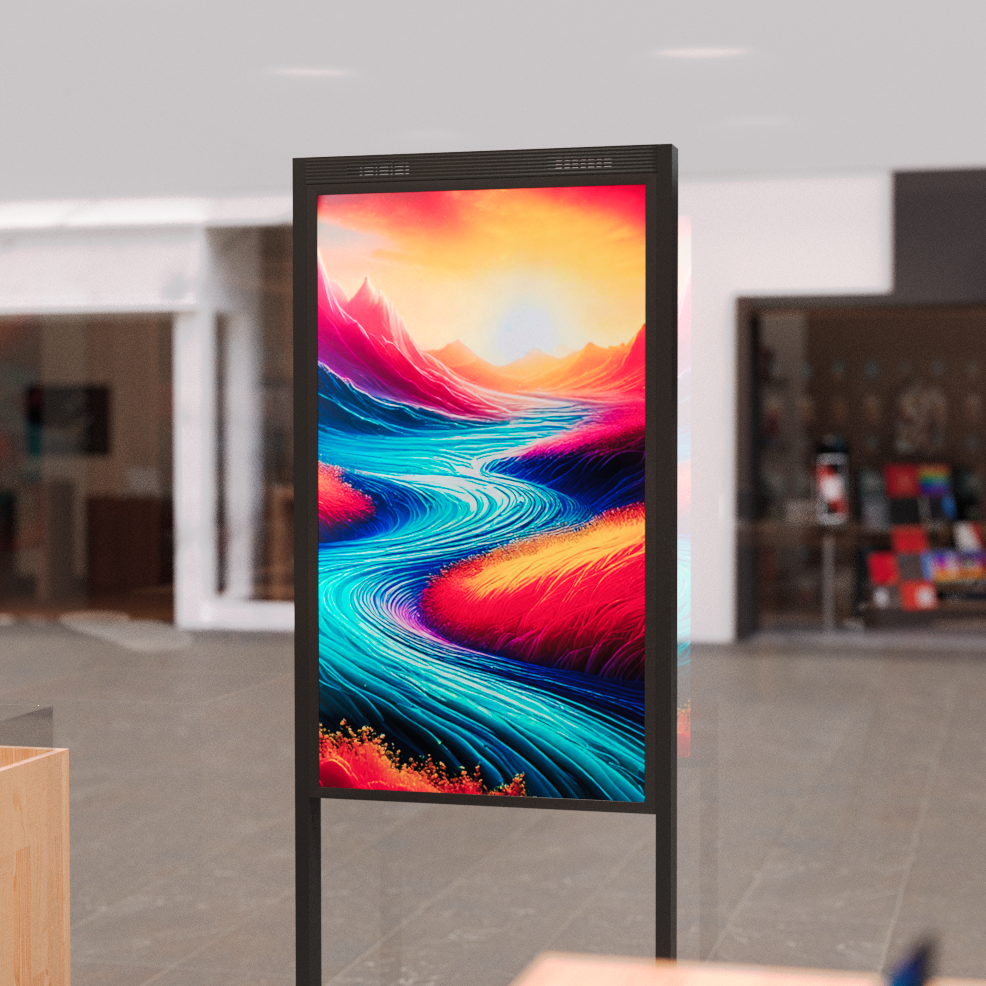
This is not just about traditional advertisements that catch a customer’s attention from afar. In-store marketing strikes closer – right when the customer is ready to decide. It can manifest as a visual style, an attractive product display, or a technological solution, such as a screen that awakens and engages.

Why is in-store marketing more important than ever?

Physical stores
still offer
unique advantages

E-commerce has permanently changed consumer buying habits. The physical store is no longer the only place to acquire products, but it still holds trump cards that digital channels cannot fully replicate. In a physical shop, a customer can touch and try the product and take it with them immediately – things that an online store cannot provide.

Rising expectations reshape the store experience

At the same time, consumer expectations have risen. People don’t come to a store just to buy, but to seek inspiration, experiences, and convenience. If the experience does not meet expectations, customers will quickly head for the door – and the next competitor is only a click away.

The decisive purchase moment happens in-store

Research (e.g. POPAI Shopper Engagement 2012) has estimated that as many as seven out of ten purchasing decisions are made in-store. This means the most decisive moment still occurs in the physical space. Well-planned in-store marketing can turn a hesitant customer into a buyer – or conversely, lose a sale if the communication and display do not work.

Five key elements of in-store marketing

Well-planned in-store marketing is based on several different elements that together guide the customer, generate interest, and support the purchasing decision. Here are five key areas through which impact can be maximised.

1. Visual appearance and brand consistency

The store is the brand’s business card. Colours, materials, signs, and other visual solutions create a unified whole that makes the brand recognisable. Consistency helps the customer perceive the shop’s identity and supports the building of trust.

2. Product display and space utilisation

Well-designed store fixtures, campaign points, and themed areas encourage customers to pick up products. Optimising space utilisation ensures that the most important products are easily visible and the customer’s path through the store is smooth. Small changes in display can have a significant impact on purchasing decisions.

3. Guiding customer flows

Managing customer flows is a way to ensure that customers see the desired products and campaigns. Clear signage, floor markings, and visual cues can guide movement, reduce confusion, and increase sales opportunities.

4. Utilising technology

Digital advertising displays, interactive solutions, and mobile integrations offer flexible ways to communicate current campaigns and bring added value to the customer. Technology also enables data collection, analysis, and tailoring of content for different customer segments.

5. The role of staff

While visual and technological solutions are important, the final impact often stems from interaction with the customer. Staff expertise, service attitude, and the ability to recommend products support the effectiveness of in-store marketing and ensure a successful customer experience.

Five key elements of in-store marketing

Well-planned in-store marketing is based on several different elements that together guide the customer, generate interest, and support the purchasing decision. Here are five key areas through which impact can be maximised.

1. Visual appearance and brand consistency

The store is the brand’s business card. Colours, materials, signs, and other visual solutions create a unified whole that makes the brand recognisable. Consistency helps the customer perceive the shop’s identity and supports the building of trust.

2. Product display and space utilisation

Well-designed store fixtures, campaign points, and themed areas encourage customers to pick up products. Optimising space utilisation ensures that the most important products are easily visible and the customer’s path through the store is smooth. Small changes in display can have a significant impact on purchasing decisions.

3. Guiding customer flows

Managing customer flows is a way to ensure that customers see the desired products and campaigns. Clear signage, floor markings, and visual cues can guide movement, reduce confusion, and increase sales opportunities.

4. Utilising technology

Digital advertising displays, interactive solutions, and mobile integrations offer flexible ways to communicate current campaigns and bring added value to the customer. Technology also enables data collection, analysis, and tailoring of content for different customer segments.

5. The role of staff

While visual and technological solutions are important, the final impact often stems from interaction with the customer. Staff expertise, service attitude, and the ability to recommend products support the effectiveness of in-store marketing and ensure a successful customer experience.

The role of technology in modern in-store marketing

Technology has significantly changed the possibilities of in-store marketing. Digital solutions do not replace traditional methods, but they offer new ways to reach the customer, capture attention, and streamline communication at exactly the right time.

Digital signage and interactive solutions

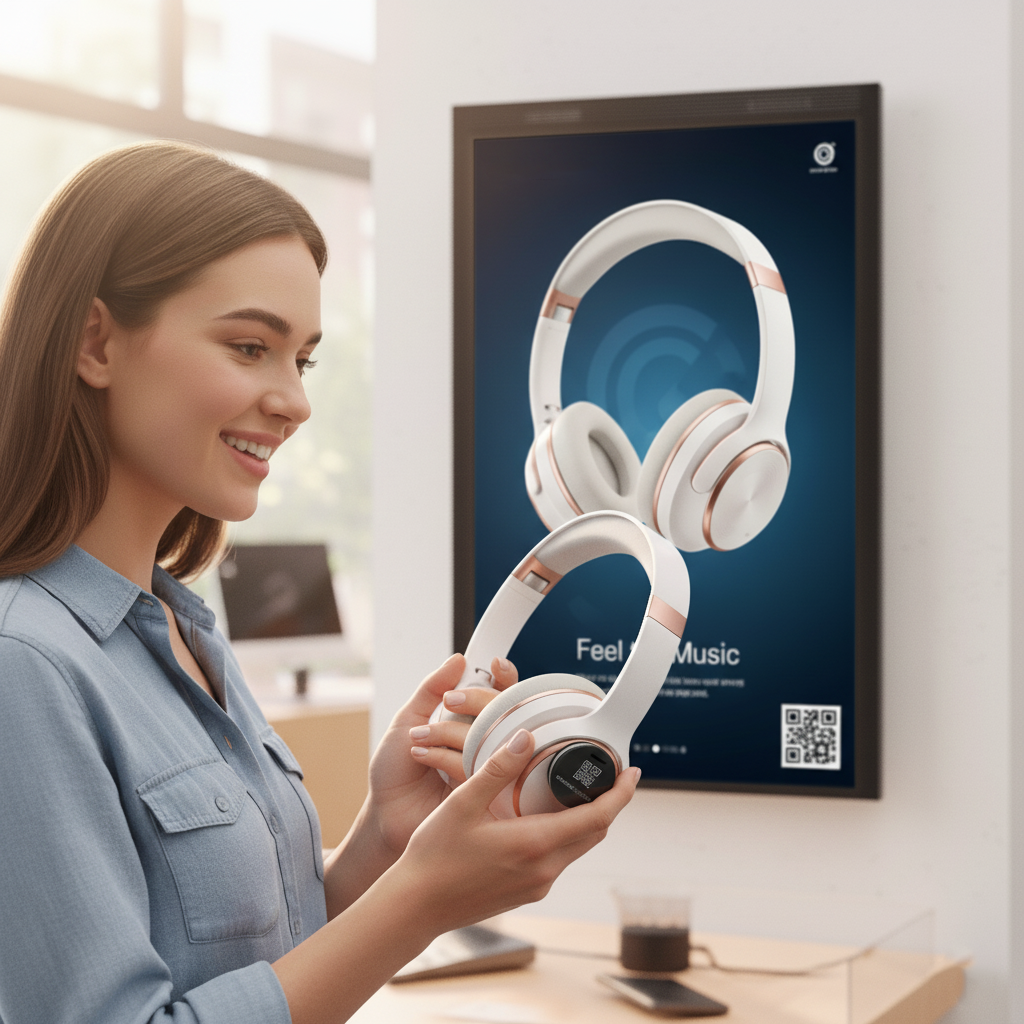
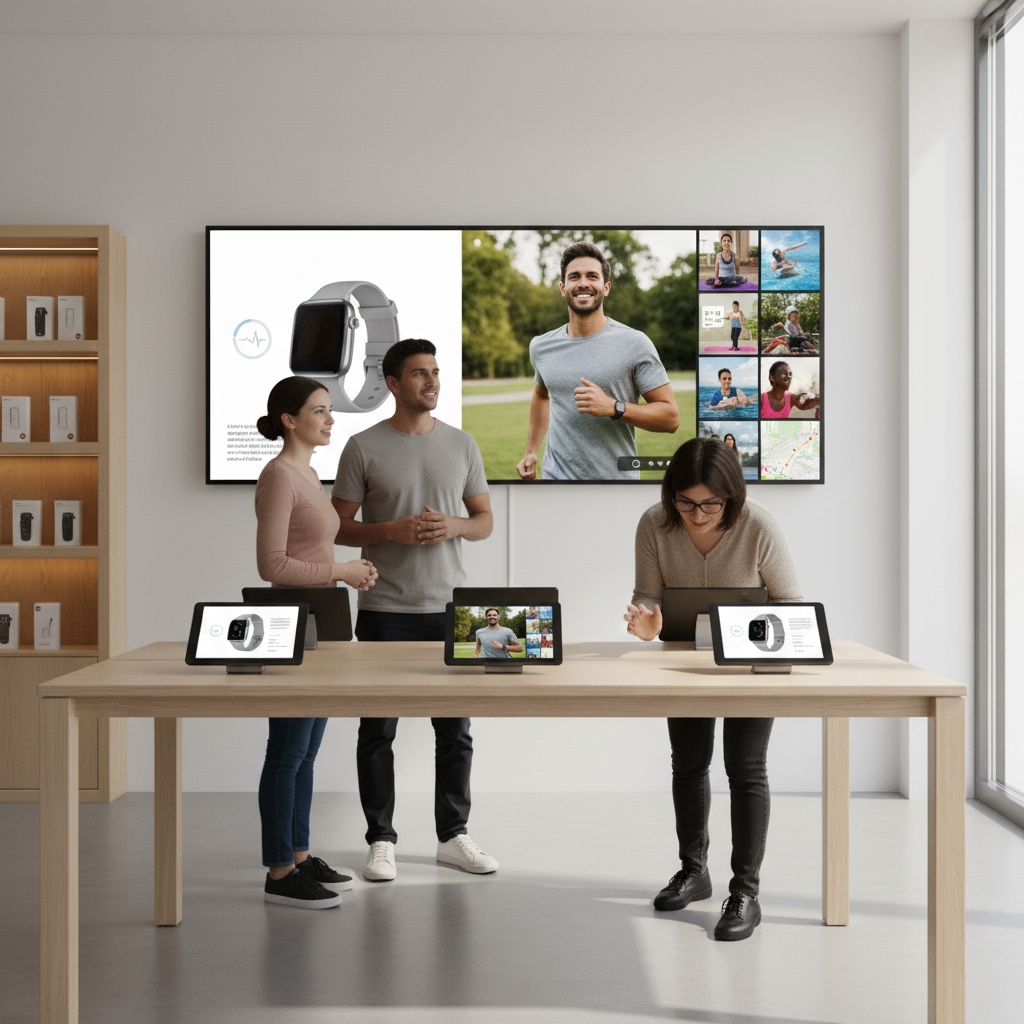
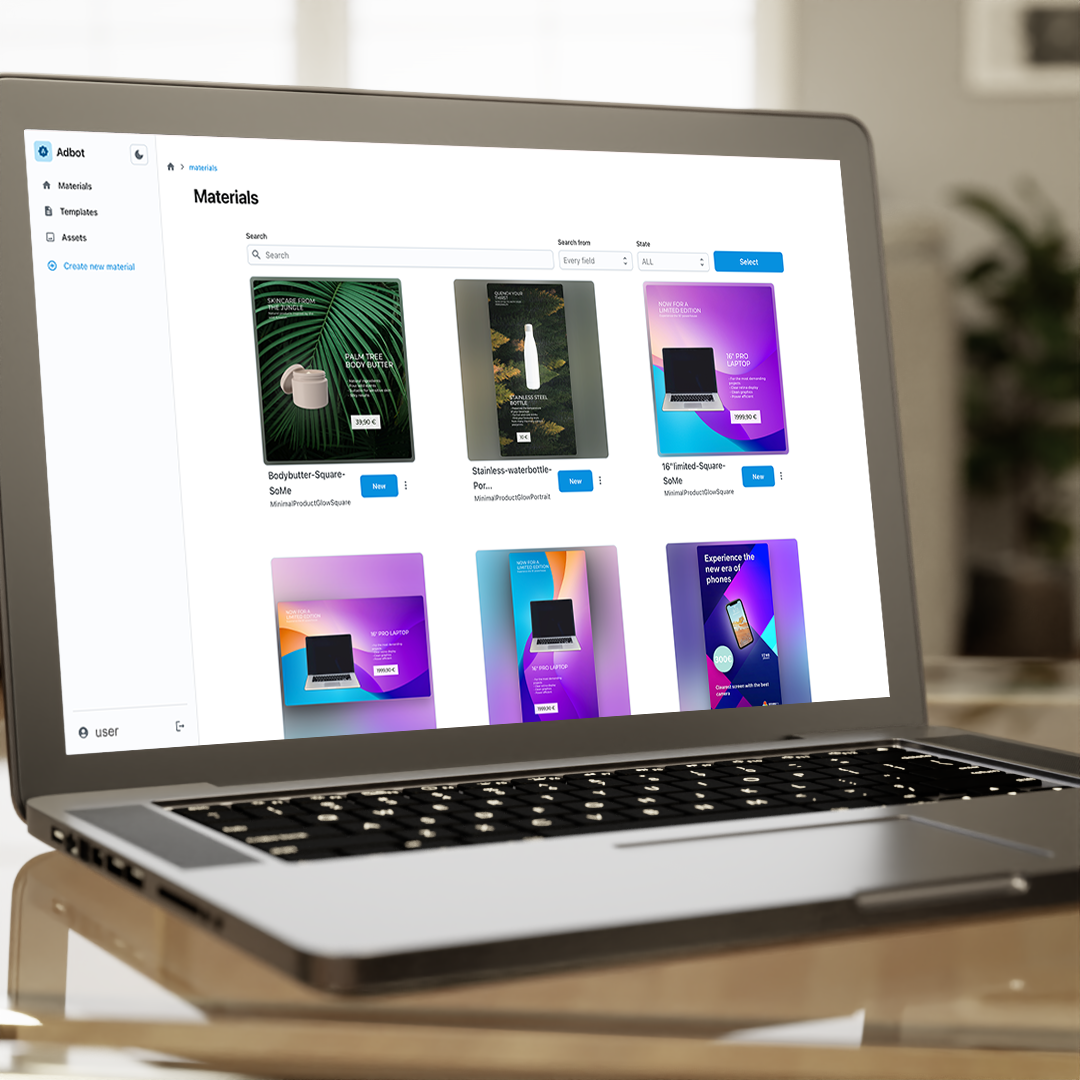
Digital signage and interactive solutions bring dynamism to the shop. Digital advertising displays can run multiple campaigns simultaneously, present products in different parts of the store, and offer visually appealing content that captures attention better than static materials. Interactive touchscreens or QR codes can, in turn, provide more information about products, guide the purchasing decision, and connect the in-store experience to mobile.

Dynamic pricing and customer flow analytics

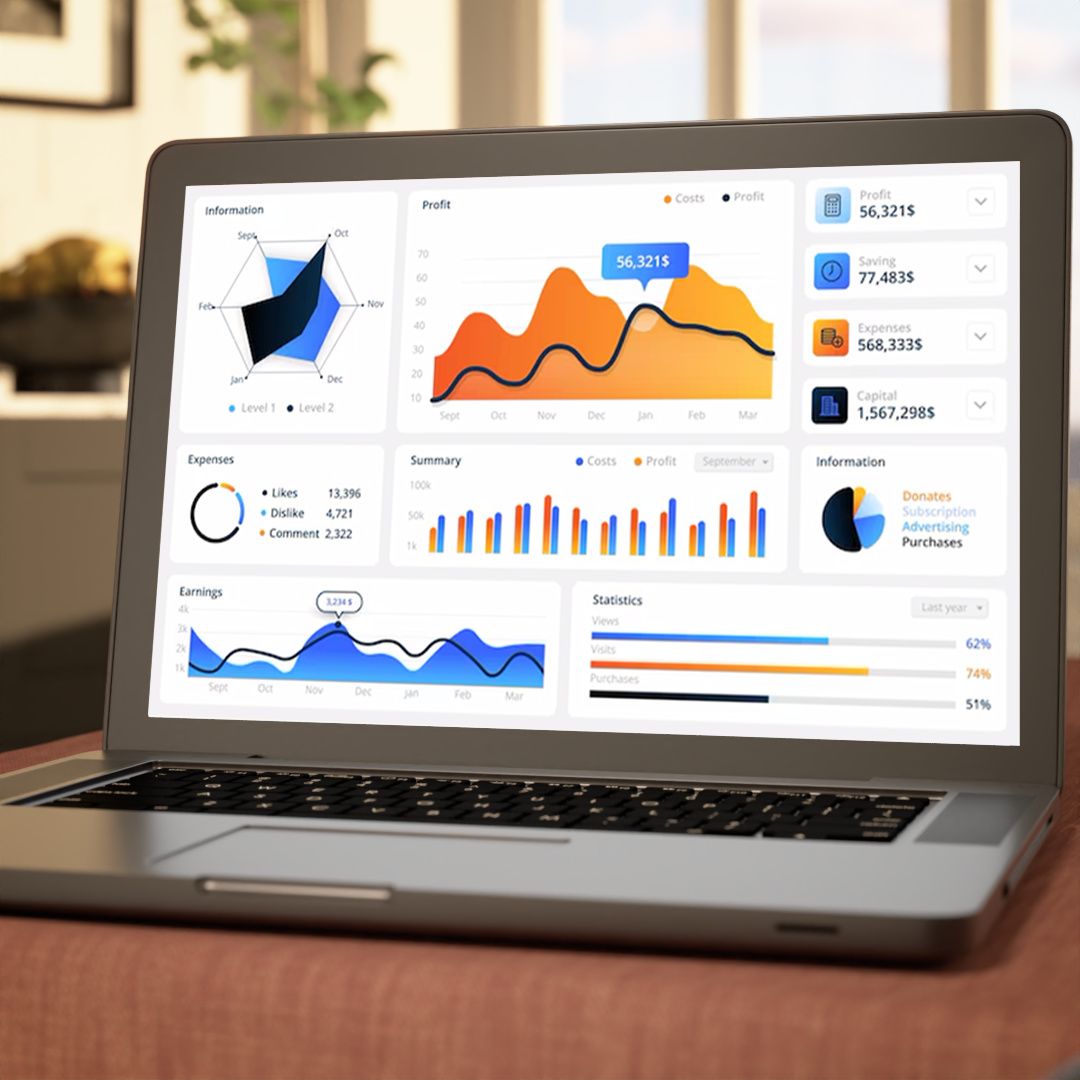
Dynamic pricing and customer flow analytics are examples of how data can be utilised effectively. When you know which way customers move and what they look at, you can make more accurate decisions regarding, for example, the placement of campaigns or the content of displays.

Technology, therefore, offers not only communicative added value but also the opportunity to measure and optimise marketing effectiveness. When digital and traditional methods are thoughtfully combined, the customer experience improves, and the store becomes a more efficient place to purchase.

Read also: Electronic shelf label enables dynamic pricing in the store


Industry-specific characteristics

In-store marketing methods and priorities vary considerably depending on the industry. Therefore, it is important to understand what kind of customer group moves in the store and what products or services are being offered.


Retail vs. services

In retail, product display, campaign communication, and visual elements are emphasised. In service sectors, the focus may be more on customer experience, service quality, and staff interaction than on the attractiveness of individual products.

Chain stores vs. independent shops

For chain stores, a uniform visual look and centralised content management are important for brand recognition and quality assurance. Small, independent stores can stand out through creativity, local emphasis, and personalised campaign solutions.

B2B vs. B2C perspectives

In B2B environments, customers often value informative content and solutions that support purchasing decisions in a professional context. In B2C stores, experiential value, visuals, and quickly capturing attention are decisive.

Taking industry-specific characteristics into account helps in prioritising in-store marketing methods and ensures that the investment yields the best possible benefit within that specific business environment.

In-store marketing budget and implementation

It is not always possible to implement every method perfectly, so the most important thing is to prioritise those that achieve the greatest impact. Budget planning should start by considering what is “most impactful” – in other words, which actions provide the most benefit in relation to the investment from the perspectives of sales, customer experience, and the brand.

Kyva digita

Invest in points that directly influence the customer

If resources are limited, it may be more effective to focus, for example, on clearly guiding campaign points or digital displays that allow several pieces of content to be rotated on the same device.

Planning and agility are key

Well-thought-out campaigns can be implemented in stages, tested, and optimised based on experience. This helps ensure that every euro is spent wisely and that marketing serves business objectives. The budget does not need to be large, but its use should be based on data: customer flows, sales data, and what actually captures attention.

The budget does not need to be large, but its use should be based on data: customer flows, sales data, and what actually captures attention. This way, even a small investment can achieve significant results.

5 things to remember from this article

  1. The physical store settles the score – a large portion of purchasing decisions are still made in-store, making marketing there vital.
  2. Visual look and product display matter – a clear appearance and attractive layout guide the customer and strengthen the brand.
  3. Managing customer flows boosts sales – signs, floor markings, and visual cues ensure the most important products are seen.
  4. Technology brings added value and flexibility – digital signage, interactive solutions, and mobile integration support communication and customer experience.
  5. Staff completes the experience – good service combined with visual and technological methods creates a successful customer experience and grows sales.