18.9.2025

What is retail media, and why is its significance growing?

The physical store has become a significant advertising environment.

The physical store has become a significant advertising environment, positioned right at the point of purchasing decisions. Digital information displays, for example, offer new ways to reach the customer in the right place at the right time. These can be utilised by both the retailer itself and third-party brands, allowing messages to be precisely targeted to the consumer at exactly the moment they are ready to make a purchasing decision.
What does retail media mean?

Retail media is an advertising platform owned or managed by a retailer, through which third-party brands can also reach consumers via the retailer’s channels. As a concept, it broadly encompasses digital channels such as online shops, mobile applications, and email lists — but this article focuses in particular on advertising display solutions in physical stores, where product manufacturers purchase advertising space on a retailer’s digital information displays.

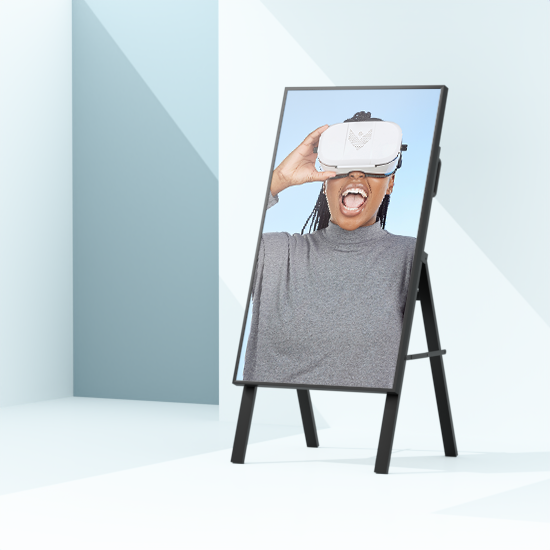
Digitaalinen A-ständi esittää naista virtuaalilasien kanssa modernissa sisätilassa.

Influence the customer at exactly the right moment

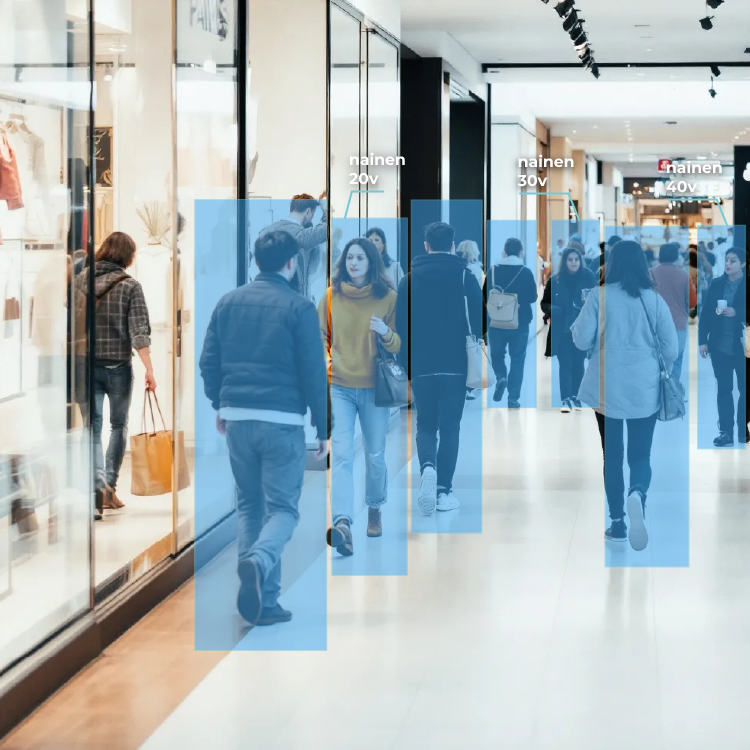
The core of retail media is the first-party data held by the retailer, which allows advertisements to be targeted precisely based on consumers’ purchasing behaviour and profiles. Because the advertising takes place near the point of purchase — or even at the moment of purchase — it reaches the customer precisely when they are making a decision between products or brands. This makes retail media an exceptionally effective form of advertising: it connects brands and consumers in a situation where the message is genuinely relevant to the recipient.

Retail media brings retailers a new source of revenue

By 2028, analysts predict that advertisers will allocate more of their budgets to retail media than to television. This opens up an opportunity for retailers to generate revenue from their advertising displays and to actively increase the visibility of partner brands. The store works on behalf of its principals, whilst the customer receives a relevant and timely message at the very moment of purchase.

How does retail media manifest in practice?

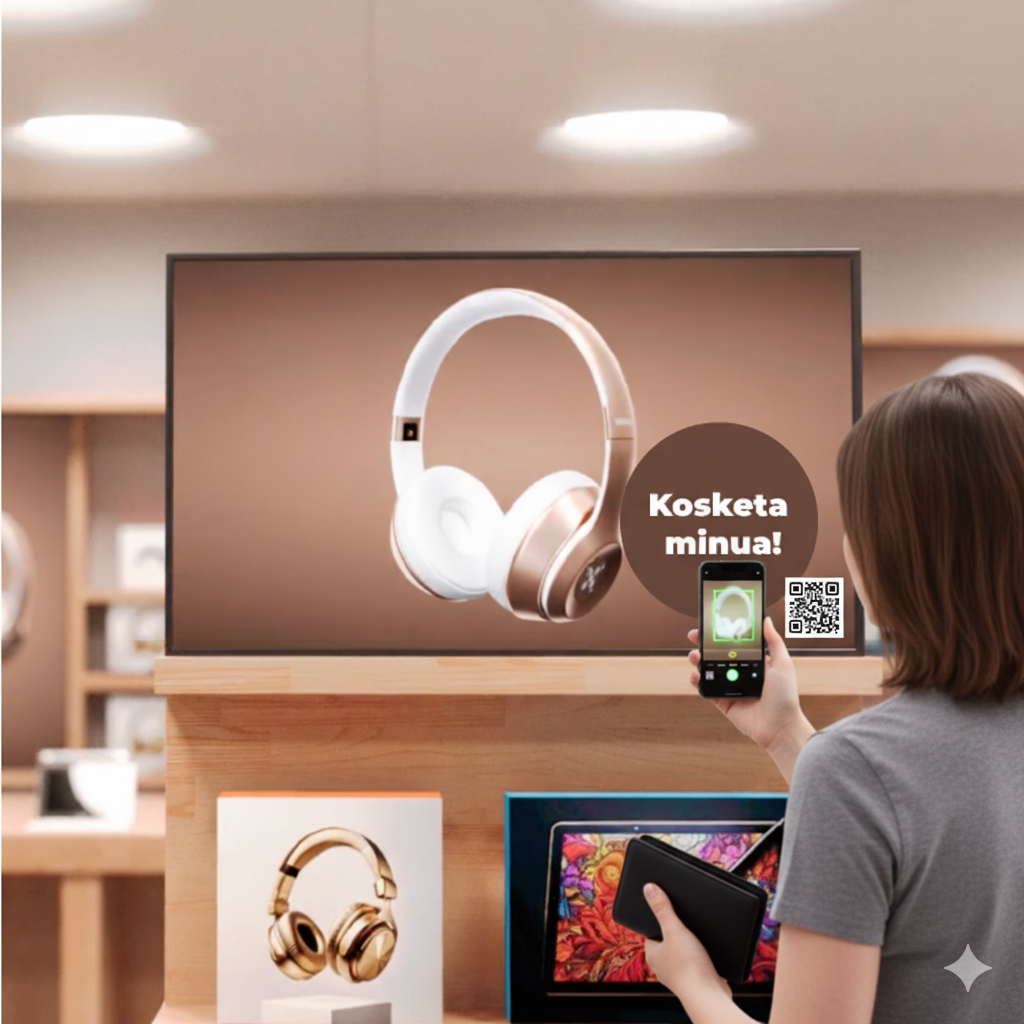
In physical stores, retail media means the use of digital advertising displays in locations such as aisles, end-of-aisle positions, or near checkout lanes. The displays can showcase current offers, new products, and brand campaigns at exactly the moment the customer is making a purchasing decision. 

Ad targeting is based on the retailer’s customer and till data, which allows messages to be directed precisely according to consumers’ purchasing behaviour and profiles. This makes campaigns effective, as they can be optimised in real time and their impact can be measured directly from purchasing behaviour.

Digital advertising displays in physical stores offer several key advantages:

Precise targeting

The message reaches exactly the right customer at the right time.

Real-time optimisation

Campaigns can be adjusted immediately based on results.

Measurability and ROI

Direct linkage to purchasing behaviour enables accurate investment decisions.

Precise targeting and real-time monitoring in store

Compared to traditional channels such as television or print, retail media offers considerably more precise targeting and better ROI, as an advertisement can be shown to exactly the right customer at the right time, and the effectiveness of a campaign can be monitored in real time.

The use of physical information displays is growing rapidly, and the trend is visible both across Europe and in Finland. Displays complement traditional channels such as television and social media, and allow brands to reach customers at a critical moment in the purchasing process.

5 things to remember from this article

  1. Retail media refers to advertising in a retailer’s own channels, which can be utilised both by the retailer and by partner brands — in particular, digital displays in physical stores.
  2. Its strength lies in precise targeting, based on customer and till data.
  3. Advertising takes place near the point of purchase, or even at the moment of purchase, making the message genuinely relevant to the customer.
  4. Retailers can generate revenue from their advertising displays and act as amplifiers of partner brand visibility.
  5. By 2028, advertisers are predicted to allocate more of their budgets to retail media than to television, underlining its growing significance.