

31.3.2026

What does digital signage mean?

The term digital signage, or its abbreviation DS, is used more and more often nowadays when talking about marketing in stores or public spaces. What does digital signage mean and what does it include? How does it benefit me and should I be aware or even interested in it?

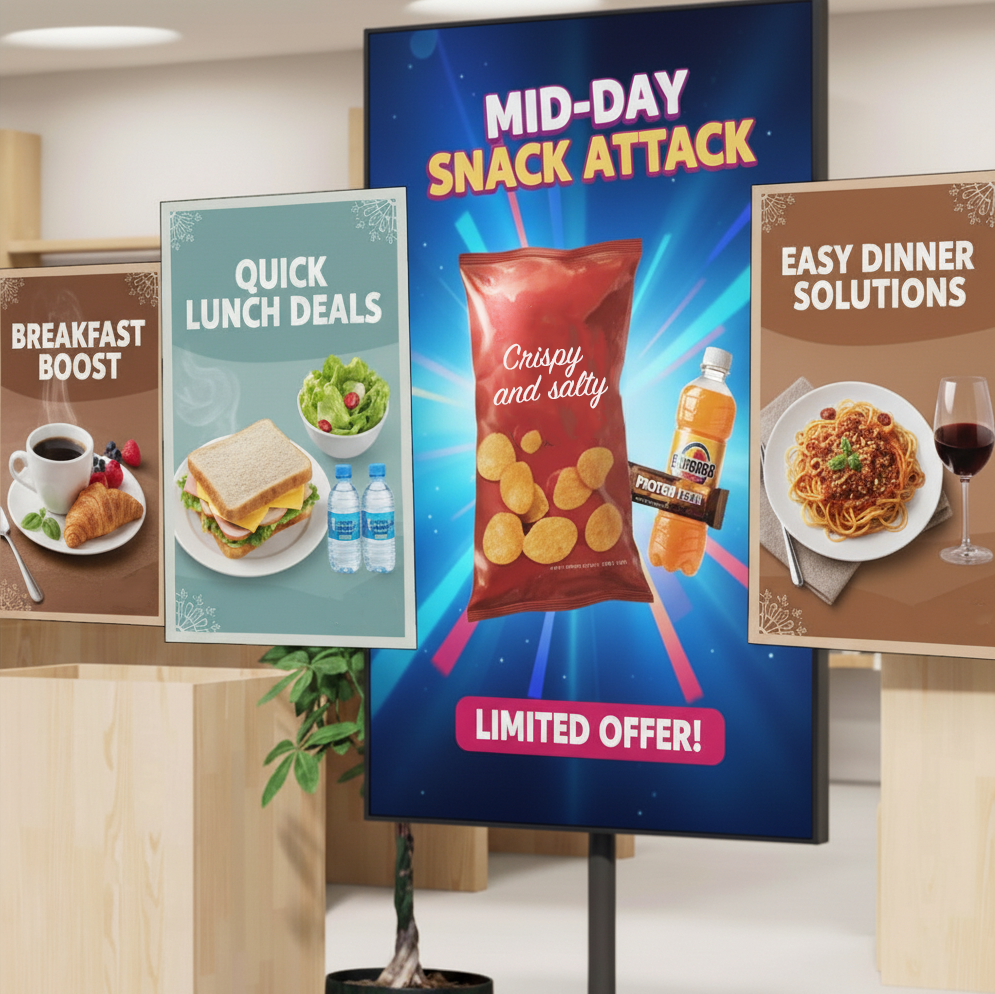
Digital signage, sometimes also electronic signage, refers to the use of various screens in the presentation of information and advertisements in digital form. Screens are, for example, part of the decoration of stores, shopping centers, restaurants, airports or other facilities.

The function of the screens depends entirely on the kind of spaces they are placed in and what is the need they meet. In shops and shopping centers, the main task is to present a variety of marketing messages, such as information about offers, novelties, products or services, and in connection with the presentation of the products, also their prices. In public spaces, screens can provide information and guidance.

Learn more about Digital signage displays

The superiority factors of digital marketing

Digital signage offers numerous benefits compared to traditional or previously used communication methods. The most important of them are:

Better attention value

Moving visuals capture attention more effectively than static content. They stop the viewer, evoke emotion, and make messages more memorable.

A large number of contents

Digital displays can show multiple pieces of content simultaneously or in rotation. A single screen can deliver several messages without additional cost.

Centralized management

All screens and content can be managed from one system. This improves efficiency, ensures brand consistency, and simplifies campaign control.

Instant updates

Content can be updated and scheduled in real time. Campaigns, pricing, and messages stay up to date without delays.

The superiority factors of digital marketing

Digital signage offers numerous benefits compared to traditional or previously used communication methods. The most important of them are:

Better attention value

Moving visuals capture attention more effectively than static content. They stop the viewer, evoke emotion, and make messages more memorable.

A large number of contents

Digital displays can show multiple pieces of content simultaneously or in rotation. A single screen can deliver several messages without additional cost.

Centralized management

All screens and content can be managed from one system. This improves efficiency, ensures brand consistency, and simplifies campaign control.

Instant updates

Content can be updated and scheduled in real time. Campaigns, pricing, and messages stay up to date without delays.

The contents presented on the digital display can also be scheduled. Advertisements related to various campaigns can be entered into the system and specified to be shown exactly for the duration of the campaign and, most importantly, until the end when the campaign ends. The staff does not have to change ads when the campaigns change, and there are no false ads that stay to haunt.

Targeted and flexible communication brings efficiency and savings

It is more than easy to target your advertising or communications.

Schedule content at different times of the day

A grocery store can show lunch and takeaway specials in the morning and mid-morning, food tips in the afternoon and last-minute product discounts before closing time.

React to changing situations and circumstances

A product on offer may run out and need to be replaced by something else. Sometimes an unexpected opportunity for additional sales arises and you want to take advantage of it. In a purely communications context, digital signage can be used to tell people about changed schedules, which room each doctor is in, or to quickly give people instructions for action in unexpected situations.

Interactivity produces better customer experiences and increases sales

The properties of digital signage can also include interactivity. For example, the displays can help the customer find the product that best suits them based on direct or indirect data. With the intuitive touch screen in connection with the presentation of the products, the customer can search for information about the product they want, compare the available options or get to know the store’s entire selection (endless aisle).

The DS system can also make use of various sensors, based on the information provided by the system, the system can offer relevant, real-time information and even more so in a timely manner. For example, when a customer picks up a product to look at it more closely, the sensor in the product causes the nearby screen to show more detailed information about the product in question, tell about possible offers and suggest, for example, access products.

Digital signage is versatile in store marketing

A well-planned and reliably functioning digital signage system, when used correctly, is a multi-talent that works in the company’s customer interface. It attracts customers, conveys information, improves the customer experience, provides help in making a purchase decision and builds the company’s brand. And it does all this faster and more efficiently than traditional in-store marketing communication methods. At best, even automated.